AGP Executive Report
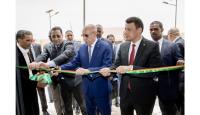
Last update: 7 hours agoDigital Infrastructure: President Mohamed Ould Ghazouani inaugurated Mauritania’s first national data center in Nouakchott, built to international standards to store and protect sovereign data and support secure digital services. AI in Education: Education Minister Houda Mint Babah said Mauritania plans to introduce artificial intelligence gradually, using it to improve learning quality and tailor support to pupils. Cleaner Gold Processing: Petroleum and Environment ministers visited MAGMA’s Nouakchott laboratory, which is testing mercury-free methods to process artisanal gold and help miners formalize. Medicines Oversight: Health and Digital Transformation ministers reviewed progress on reforms to improve medicine quality, regulate the market and curb parallel sales.
Note: AI summary from news headlines; neutral sources weighted more to help reduce bias in the result. Feedback is welcome. Please let us know if you have any comments or suggestions about the AGP Executive Report.


 Perspectify News